Size the inverter around real loads
List which appliances run simultaneously and note motor startup demand. Check continuous output, surge rating, phase and the battery voltage supported by the inverter.
EliteVolt Systems · Ghana
The inverter and battery should be selected as one compatible system. EliteVolt Systems helps households and businesses compare load requirements, backup duration, battery chemistry and solar-array input limits before equipment is installed.
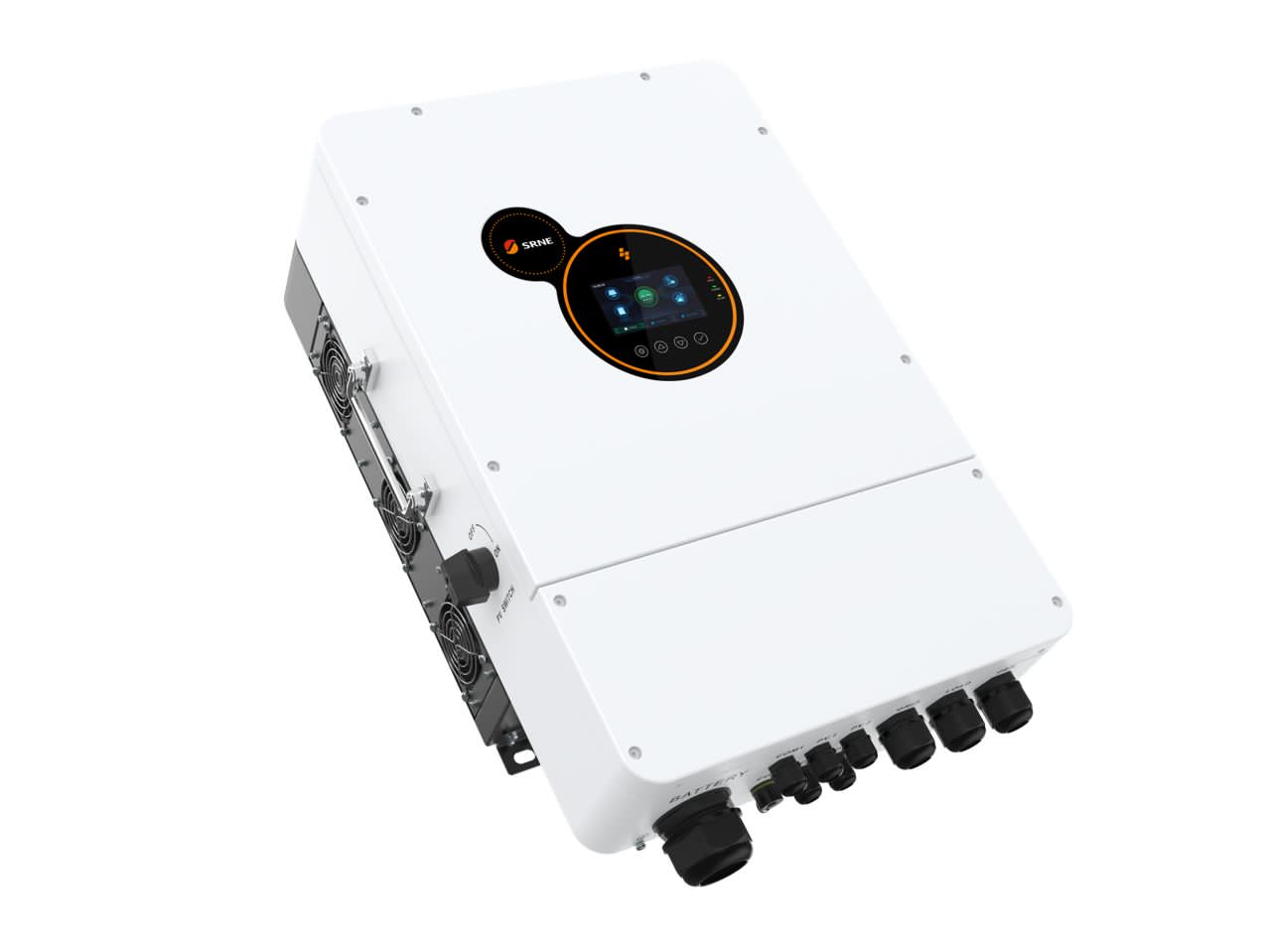
The right design depends on the building, equipment and way the system will be used. These practical checks help prepare for a useful assessment.
List which appliances run simultaneously and note motor startup demand. Check continuous output, surge rating, phase and the battery voltage supported by the inverter.
Prioritize the loads that must remain on and estimate how long they need to run. Select battery capacity using the manufacturer's usable-energy guidance, then confirm charging current, communication and chemistry settings.
Estimate PV kWp from daily energy and site sunshine, then verify the inverter's maximum PV voltage, current, array power and permitted string layout. The PV nameplate target should not be below the selected inverter rating in the planning estimate.